Cryotherapy
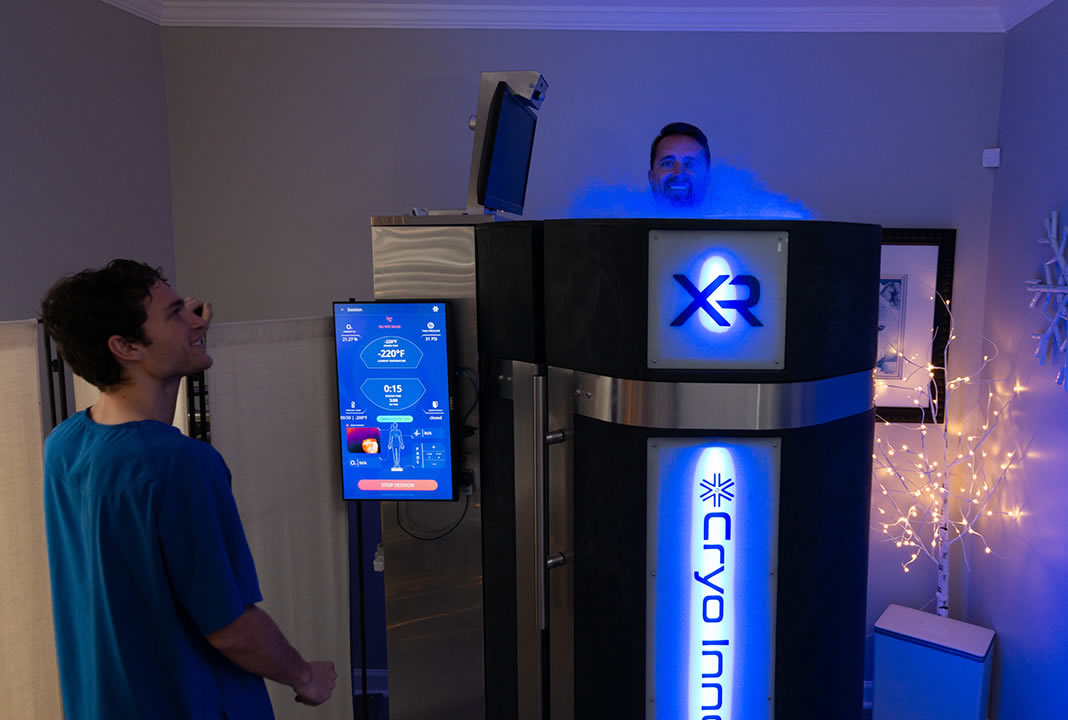
Three minutes. That's how long a whole-body cryotherapy session lasts. In that window, your body is exposed to temperatures between -100°C and -140°C (-148°F to -220°F) — colder than anywhere on Earth's surface. What your body does in response to that extreme cold is a cascade of physiological reactions that athletes, biohackers, and performance-focused physicians have been leveraging for decades.
This isn't an ice bath. It isn't cold water immersion. Whole-body cryotherapy uses hyper-cooled nitrogen vapor to drop the ambient air temperature to extremes that trigger a fundamentally different set of physiological responses. Here's exactly what happens, step by step.
The moment your skin contacts sub-zero air, your peripheral blood vessels — the capillaries and arterioles near the skin surface — constrict dramatically. This is vasoconstriction: your body's immediate priority is protecting your core temperature and vital organs. Blood is rapidly shunted from the extremities toward your core, liver, heart, and brain.
Simultaneously, your adrenal glands release a surge of norepinephrine — research shows levels can increase 200–800% during cryotherapy. This neurotransmitter has powerful anti-inflammatory effects and is also responsible for the sharp mental alertness most people experience immediately after a session. Your skin surface temperature drops dramatically, but your core temperature stays stable — which is why cryotherapy, unlike prolonged ice baths, doesn't cause hypothermia.
As the session continues, your body ramps up its cold stress response. Endorphin and endocannabinoid release increases, producing the mood elevation and mild euphoria that most cryotherapy users describe. For people dealing with chronic pain, this neurochemical response can provide meaningful relief that outlasts the session by hours.
The inflammatory cascade — which drives post-exercise soreness, joint pain, and tissue damage recovery time — is directly suppressed by the norepinephrine surge and the overall cold stress response. Pro-inflammatory cytokines (the signaling molecules that tell your immune system to generate swelling and pain) are measurably reduced following cryotherapy sessions.
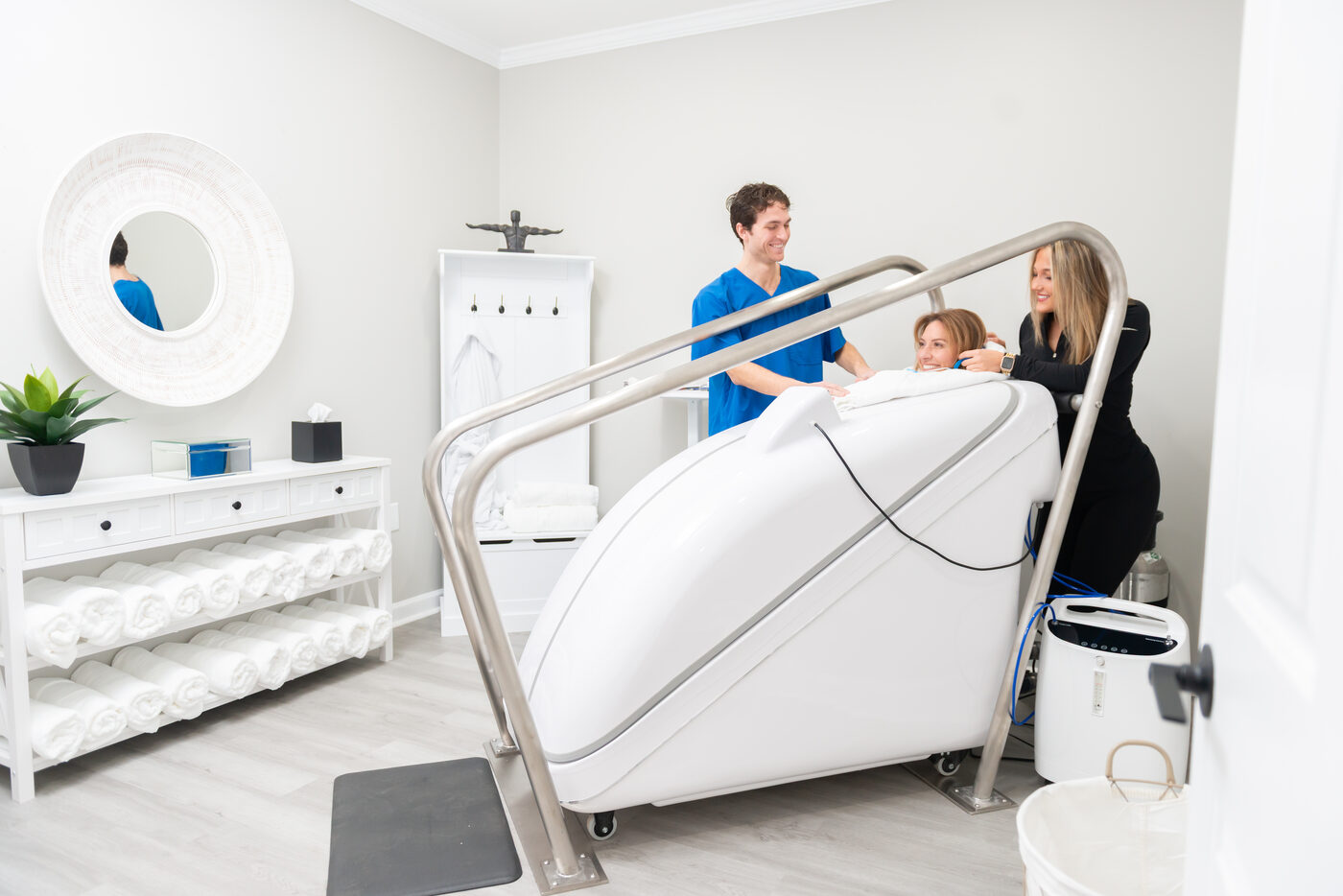
When you step out of the cryotherapy chamber, the vasoconstriction reverses. Blood rushes back to your skin and peripheral tissues in a process called reactive vasodilation — and it brings with it oxygen-rich, nutrient-dense blood that actively supports tissue repair. This is the same mechanism responsible for the post-session skin flush many people notice.
Your metabolic rate spikes as your body works to restore normal temperature, burning an estimated 400–800 calories in the hours following a session (though this number varies significantly by individual). More importantly for recovery purposes, the re-oxygenation of muscle tissue supports accelerated clearance of the metabolic waste products — like lactate — that accumulate during intense training.
When training volume is high and recovery time is limited, cryotherapy allows athletes to train harder and more frequently by compressing recovery timelines. Many of our clients schedule cryotherapy sessions the evening after their hardest training days, reporting that next-day performance and readiness are measurably better compared to passive recovery.
Conditions like rheumatoid arthritis, fibromyalgia, and general inflammatory joint disease respond well to regular cryotherapy. Multiple sessions per week create a cumulative anti-inflammatory effect that many clients report rivals NSAID medications — without the gastrointestinal side effects.
The norepinephrine and endorphin surge from cryotherapy has documented effects on mood, focus, and anxiety. Regular users often cite cryotherapy as their preferred mental reset — particularly useful before high-stakes presentations, competitions, or cognitive performance demands.
Cold stress activates autophagy — the cellular cleanup process in which damaged cells and proteins are identified and recycled. Regular hormetic stress (mild stressors that produce adaptation) is increasingly recognized as a key component of long-term health span. Cryotherapy is one of the most efficient ways to apply cold hormesis.
Our whole-body cryotherapy chamber delivers a precise, physician-monitored session in just 3 minutes. First sessions start at a comfortable introductory temperature.
Learn More Book a SessionYes, for the vast majority of healthy adults. Sessions are strictly timed and monitored. Your head and neck remain above the vapor zone. Contraindications include uncontrolled hypertension, severe Raynaud's disease, and pregnancy. Our team screens all first-time clients before their session.
Cryotherapy uses dry cold air — no water contact — which allows much colder temperatures without risk of tissue damage. The mechanism differs from ice baths: the cold is more intense but briefer, and the norepinephrine response is typically stronger. Most people find cryotherapy significantly more tolerable than ice baths.
Many people notice effects after a single session (energy, reduced soreness). For chronic inflammation or athletic performance optimization, a series of 10 sessions over 2–3 weeks is the standard protocol to establish a baseline effect. Maintenance is typically 1–2 sessions per week.
Yes — this is a popular combination. IV "Drip" before a session ensures your tissues are fully hydrated and nutrient-loaded for the recovery response. Peptide modality (especially BPC-157 for injury recovery) works synergistically with cryotherapy's anti-inflammatory effects.
THRIVE 4 Peak Performance | 3568 Old Milton Pkwy, Alpharetta, GA 30005 | Serving Alpharetta, Milton, Roswell, Johns Creek, and Cumming. Call (470) 359-6195.