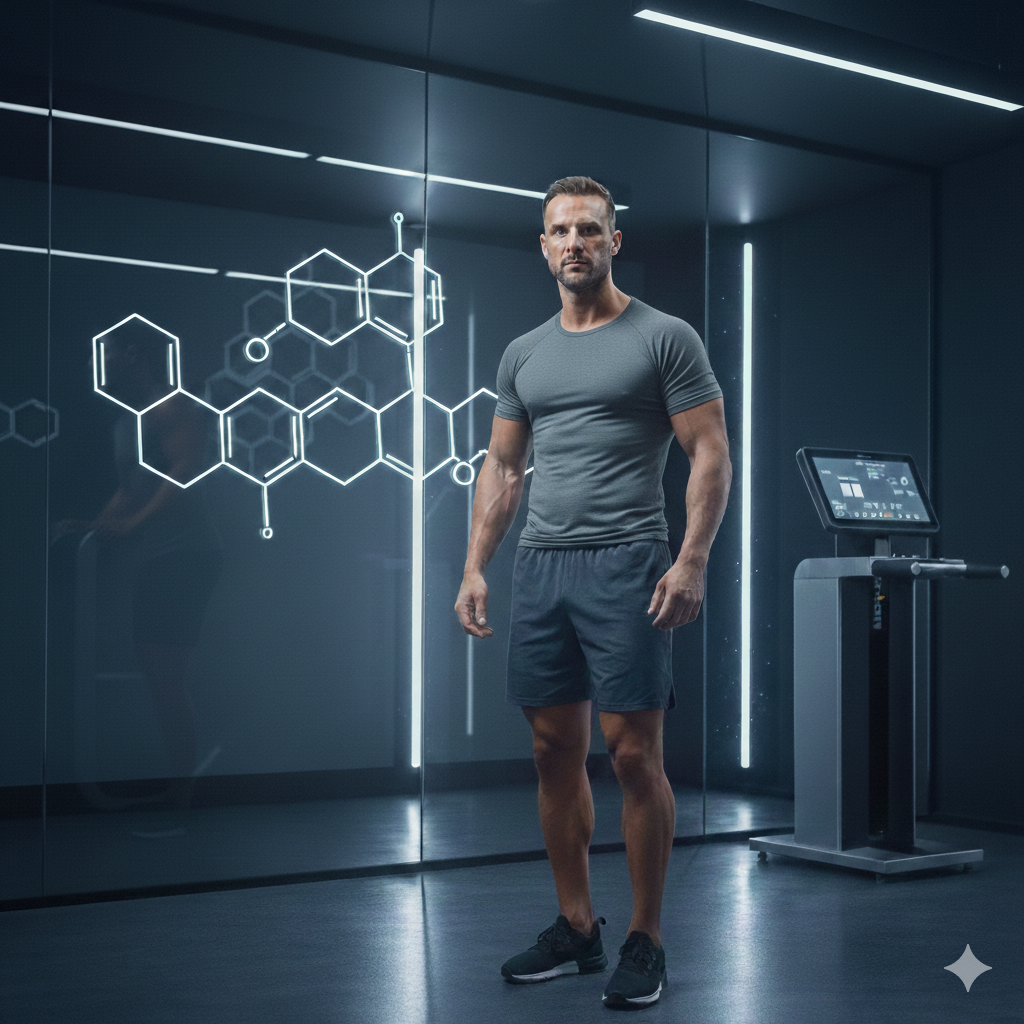
Peptide Therapy
Peptide modality has moved from the fringes of sports medicine into mainstream longevity and performance medicine — and for good reason. Unlike broad pharmaceutical interventions that affect entire biological systems, therapeutic peptides are precision tools. A specific peptide binds to a specific receptor and produces a specific, predictable outcome: accelerate healing here, stimulate growth hormone there, enhance neurological function in a third pathway.
The challenge is navigating the options. There are hundreds of therapeutic peptides, and separating legitimate clinical applications from the noise requires medical expertise. This guide covers the most well-researched peptides we use at THRIVE 4 Peak Performance in Alpharetta — what they do, who benefits, and what the evidence actually says.
Peptides are short chains of amino acids — between 2 and 50 amino acids linked together. They occur naturally throughout your body and function as signaling molecules: messengers that tell specific cells to do specific things. Growth hormone itself is a peptide. Insulin is a peptide. The gut-brain axis relies heavily on peptide signaling.
Therapeutic peptides are either naturally occurring peptides used in higher-than-physiological doses, or synthetic analogs designed to mimic and amplify natural signaling. The key advantage over hormones and most drugs is specificity: a peptide designed to stimulate pituitary growth hormone release does exactly that, and very little else. This precision is why therapeutic peptides have excellent safety profiles relative to the outcomes they produce.
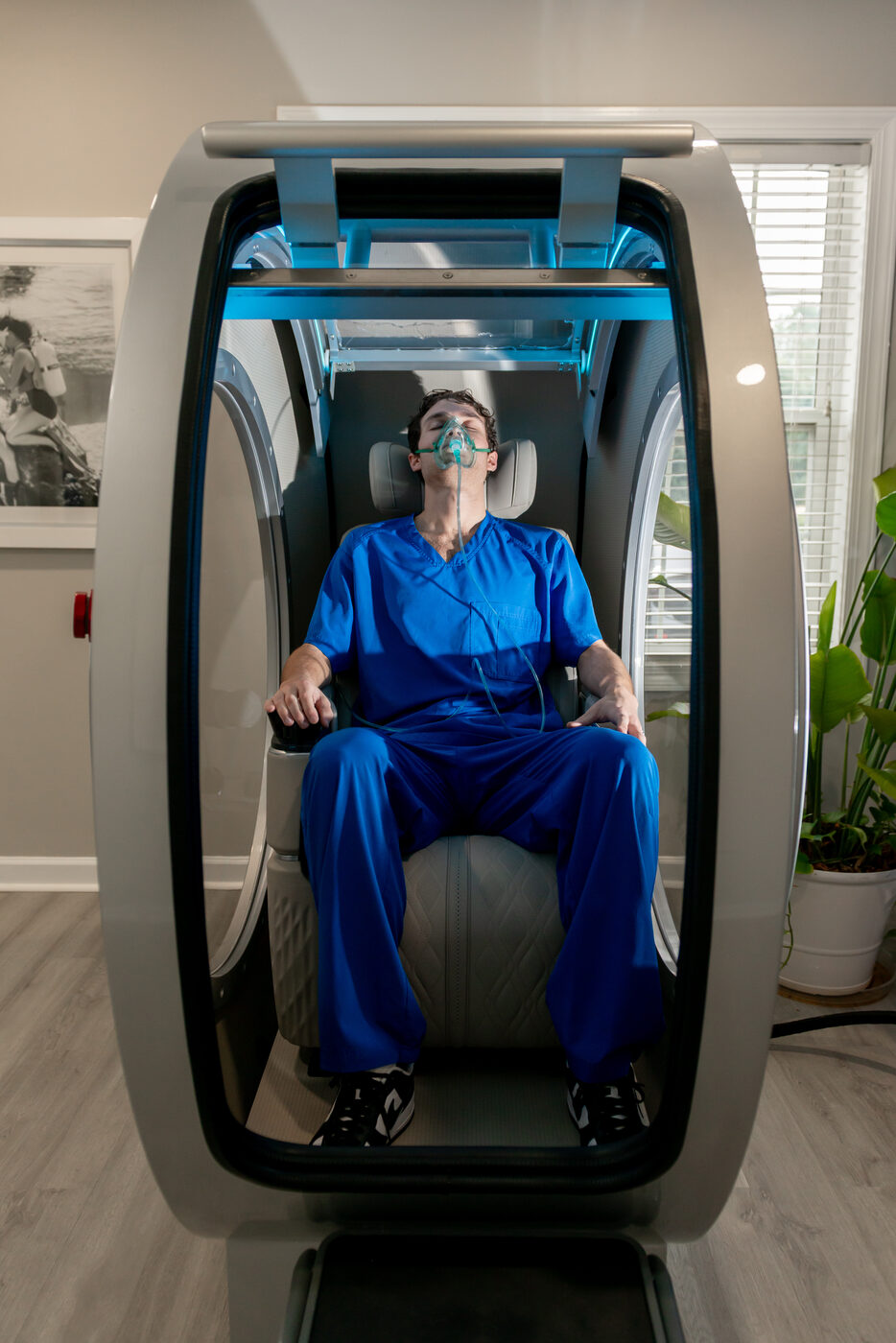
BPC-157 is a 15-amino acid peptide derived from a gastric protection protein found in human stomach juice. It's one of the most researched therapeutic peptides and has a remarkable healing track record in animal models and anecdotal human evidence. BPC-157 accelerates healing of tendons, ligaments, muscle, bone, cartilage, and gut tissue by upregulating growth factor production (particularly VEGF — vascular endothelial growth factor) and promoting angiogenesis (new blood vessel formation). Athletes recovering from partial tendon tears, ligament sprains, and muscle injuries report dramatically compressed healing timelines — often 30–50% faster than expected. BPC-157 can be injected subcutaneously near the site of injury or systemically, and also has protective effects on the gut lining, making it useful for GI inflammation conditions.
TB-500 is a synthetic version of Thymosin Beta-4, a protein naturally produced in high concentrations in platelets and wound fluid. Where BPC-157 excels at localized tissue healing, TB-500 operates more systemically — regulating cell migration, reducing inflammation throughout the body, and promoting muscle fiber growth and repair. It's particularly effective for chronic or systemic injuries, generalized muscle soreness, and hair thinning (it promotes hair follicle keratinocyte migration). Many clients use BPC-157 and TB-500 together in stacked protocols, where the combination provides both local and systemic healing support.
CJC-1295 is a growth hormone releasing hormone (GHRH) analog — it stimulates your pituitary gland to produce and release more growth hormone. Ipamorelin is a growth hormone secretagogue that works through a different receptor (the ghrelin receptor) to produce the same effect. Used together, they create a synergistic and more robust growth hormone pulse that mimics the natural pulsatile GH release pattern better than either alone. Benefits include improved body composition (lean mass up, fat down), faster recovery, better sleep quality, improved skin, and reduced generalized aging markers. Unlike exogenous growth hormone, this approach stimulates your own production — avoiding the suppression of natural GH synthesis that comes with replacement modality.
Semorelin is an FDA-approved GHRH analog (the first of its class approved in the US) that stimulates natural growth hormone secretion. As GH levels decline with age — typically 14–15% per decade after age 30 — Semorelin helps restore more youthful GH pulsatility. Users report improved sleep quality (deep sleep, where GH is naturally secreted, improves significantly), better body composition, reduced fat accumulation particularly in the abdominal area, improved skin texture and elasticity, and improved energy. Semorelin is particularly popular with clients in their 40s, 50s, and 60s who want to address age-related decline without the complications of full growth hormone replacement.
Dihexa is a nootropic peptide that crosses the blood-brain barrier and enhances the binding of hepatocyte growth factor (HGF) to its receptor MET. This mechanism promotes synaptogenesis — the formation of new neural connections — and has shown remarkable cognitive enhancement effects in research models, including improvements in memory, learning capacity, and executive function. Dihexa is estimated to be millions of times more potent than BDNF (brain-derived neurotrophic factor) in promoting synaptic function. It's used by our clients seeking cognitive performance optimization and by individuals concerned about age-related cognitive decline.
Most therapeutic peptides are administered via subcutaneous injection — a very small, fine-gauge needle that goes just under the skin, similar to how insulin is self-administered. The injection itself is minimally painful (most people describe it as a tiny pinch) and takes seconds. Peptides have short half-lives, so they're typically dosed daily or multiple times per week depending on the protocol.
At THRIVE, our physicians assess your health history, goals, and any current medications before recommending a peptide protocol. We source pharmaceutical-grade peptides and monitor your response throughout the protocol, adjusting dosing as needed based on outcomes. Protocols typically run 8–16 weeks, followed by an off period and reassessment.
our team will assess your specific goals and health history to recommend the right peptide combination. Recovery, muscle growth, cognitive performance, or anti-aging — we build the protocol around you.
Peptide Therapy Info Schedule ConsultationTherapeutic peptides used in a clinical setting are legal in the United States. Some peptides (like Semorelin) are FDA-approved drugs. Others are used off-label under physician discretion based on research and clinical evidence. We do not provide peptides for competitive athletic use in sanctioned sports — clients should verify status with their sports organization.
It depends on the peptide. BPC-157 users often notice accelerated healing within 1–2 weeks. CJC-1295/Ipamorelin users typically see sleep quality improvements in the first week and body composition changes over 6–12 weeks. Cognitive peptides like Dihexa may show effects within days.
Yes — peptides are highly compatible with most other services. Combining BPC-157 with cryotherapy enhances recovery. Growth hormone secretagogues pair well with resistance training. IV "Drip" ensures the nutritional environment supports peptide mechanisms. our team will assess your full protocol for optimal combinations.
People with active cancer, pregnancy, severe autoimmune conditions (without specialist input), and certain metabolic disorders require special consideration before starting peptide protocols. This is why is essential — not all peptides are appropriate for all clients, and our medical team screens carefully.
THRIVE 4 Peak Performance | 3568 Old Milton Pkwy, Alpharetta, GA 30005 | Serving Alpharetta, Milton, Roswell, Johns Creek, and Cumming. Call (470) 359-6195.