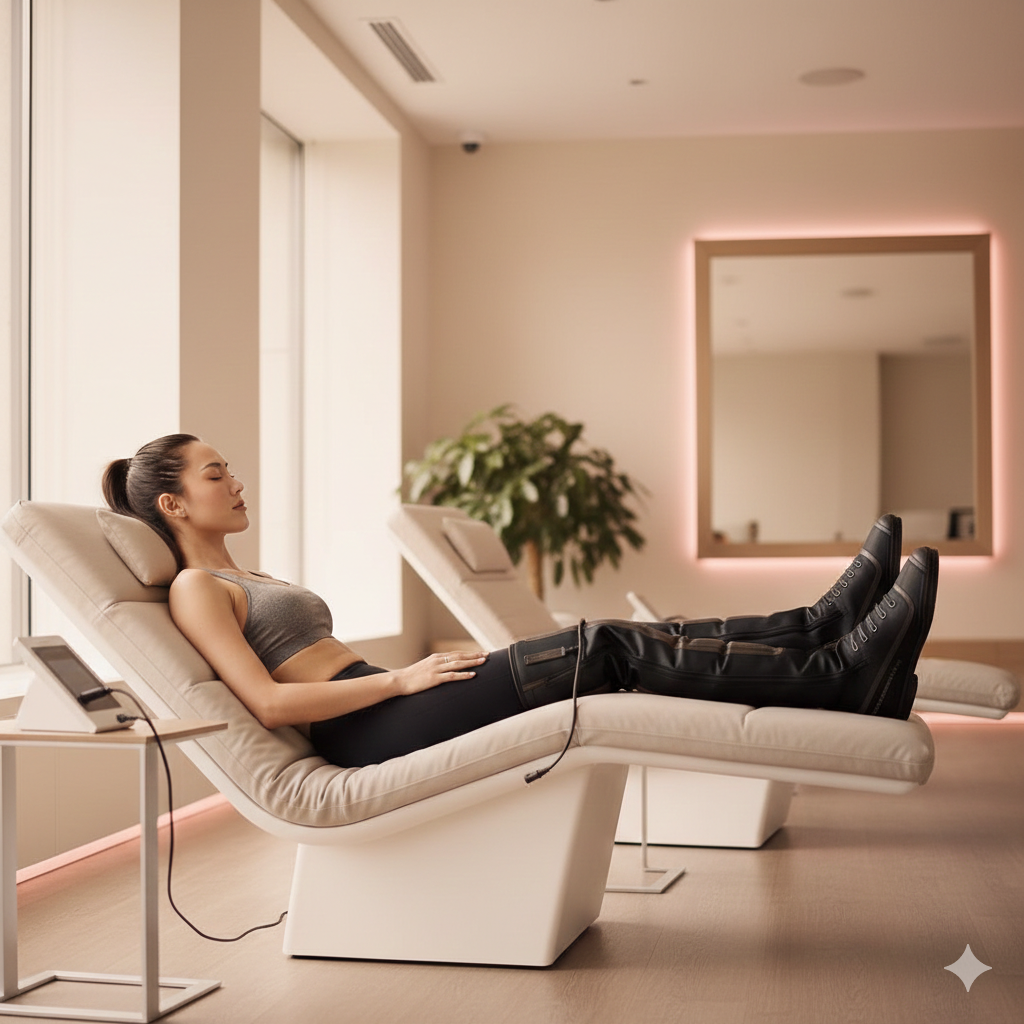
Compression Modality in Alpharetta, GA
Enhance circulation. Remove metabolic waste. Accelerate recovery with precision pneumatic compression.
Enhance circulation. Remove metabolic waste. Accelerate recovery with precision pneumatic compression.
Pneumatic compression modality uses sequential inflation and deflation cycles to apply graduated pressure to your legs and feet. Starting at the ankle, compression chambers inflate in sequence, gently squeezing tissue in an upward pattern that mimics the natural muscle contractions your body uses to pump fluid back toward the heart. This mechanical process dramatically accelerates both venous return (deoxygenated blood flowing back) and lymphatic drainage (metabolic waste removal), creating conditions for rapid recovery that your body would normally take days to achieve on its own.
The science is well-established: every time your muscles contract during exercise, they pump metabolic waste (lactate, hydrogen ions, inflammatory proteins) into your circulatory and lymphatic systems. Compression modality automates this pumping action, forcing accumulated waste out of tissues much faster than passive rest allows. Professional athletes use compression modality post-competition specifically because research shows it reduces DOMS (delayed-onset muscle soreness) and accelerates adaptation to training stress. At THRIVE 4 Peak Performance, we offer medical-grade equipment with customizable pressure settings to ensure you get therapeutic benefit, not just comfort.
Compression pumps deoxygenated blood and metabolic waste back to the heart more efficiently than gravity alone. This reduces blood pooling in the legs and improves oxygen delivery on the return cycle. Athletes see measurably improved recovery when compression sessions follow hard training.
Your lymphatic system relies on muscle contractions to move fluid—compression modality automates this. By forcing inflammatory cytokines and metabolic waste out of tissues faster, you reduce swelling, recover faster, and feel less sore. This is why professional teams use compression after every competition.
DOMS (delayed-onset muscle soreness) results from inflammatory cytokine accumulation and metabolic waste in muscle tissue. Compression modality removes these substances before they cause pain. Studies show 20-30% reductions in soreness when used post-training compared to passive recovery alone.
Whether from injury, surgery, or training, swelling occurs when fluid accumulates in tissue spaces. Compression modality's sequential pumping action forces this fluid back into circulation, reducing edema and improving mobility. Results are visible within sessions, not just theoretically.
Post-injury or post-surgery, controlled compression modality safely increases blood flow to healing tissues without stressing the injury itself. Enhanced circulation means more oxygen, more nutrients, and faster removal of inflammatory waste—all accelerating tissue repair and functional recovery.
The rhythmic, gentle pressure of compression modality activates your parasympathetic nervous system, promoting relaxation and downregulating stress hormones. Many clients use compression modality as a recovery and stress-management tool, not just for acute recovery from training.
You're fitted into medical-grade compression boots with multiple chambers. Starting at the ankle, each chamber inflates in sequence at your customized pressure setting, creating a wave of compression moving upward toward the knee and hip. This mimics the natural pumping action of muscles during movement.
As compression chambers inflate, they mechanically squeeze tissue, forcing blood and lymphatic fluid toward larger vessels and the heart. This upward pressure gradient prevents backflow and ensures efficient circulation. Simultaneously, metabolic waste accumulated in tissue spaces gets pushed into the lymphatic system for removal.
Over a 30-45 minute session, compression repeatedly cycles through inflation and deflation, continuously pumping fluid out and drawing fresh oxygenated blood in. The result: reduced soreness, faster adaptation to training stress, less swelling, and measurable improvements in performance and recovery capacity over weeks of use.
Our certified THRIVE TECHS reviews your health intake before every session and will adjust or defer if needed.
Pneumatic compression modality uses sequential compression cycles to gently squeeze your lower legs and feet, moving from the ankle upward. This mimics muscle contractions, enhancing venous and lymphatic circulation. The pumping action forces metabolic waste products out of tissues and brings fresh oxygenated blood back in, accelerating the recovery process.
Professional-grade compression modality typically uses pressures between 30-120 mmHg depending on your goals and condition. Recovery sessions usually range from 50-80 mmHg. our team customizes the pressure during your initial consultation to match your specific needs and ensure safety.
For active athletes, 3-5 sessions per week provides optimal recovery. For general wellness and injury prevention, 1-2 sessions weekly is effective. Session duration is typically 30-45 minutes. Our team will recommend a frequency based on your training intensity and recovery goals.
Compression modality helps with muscle soreness after training, leg swelling, poor circulation, varicose veins, lymphedema, post-surgery recovery, and general athletic recovery. It's widely used by professional athletes and active individuals to accelerate adaptation and reduce recovery time between intense sessions.
Yes, compression modality is very safe at therapeutic pressures. It has no side effects and is non-invasive. However, certain conditions like DVT (blood clots), acute infections, or uncontrolled hypertension require clearance from your doctor first. Always disclose your medical history during your consultation.
Compression modality accelerates post-surgical and post-injury recovery by reducing swelling and improving circulation. However, timing and pressure settings depend on your specific condition and stage of healing. Your your doctor or surgeon should approve the modality, and our team will adjust settings based on medical clearance.
Combine compression modality with other modalities for maximum recovery benefits:
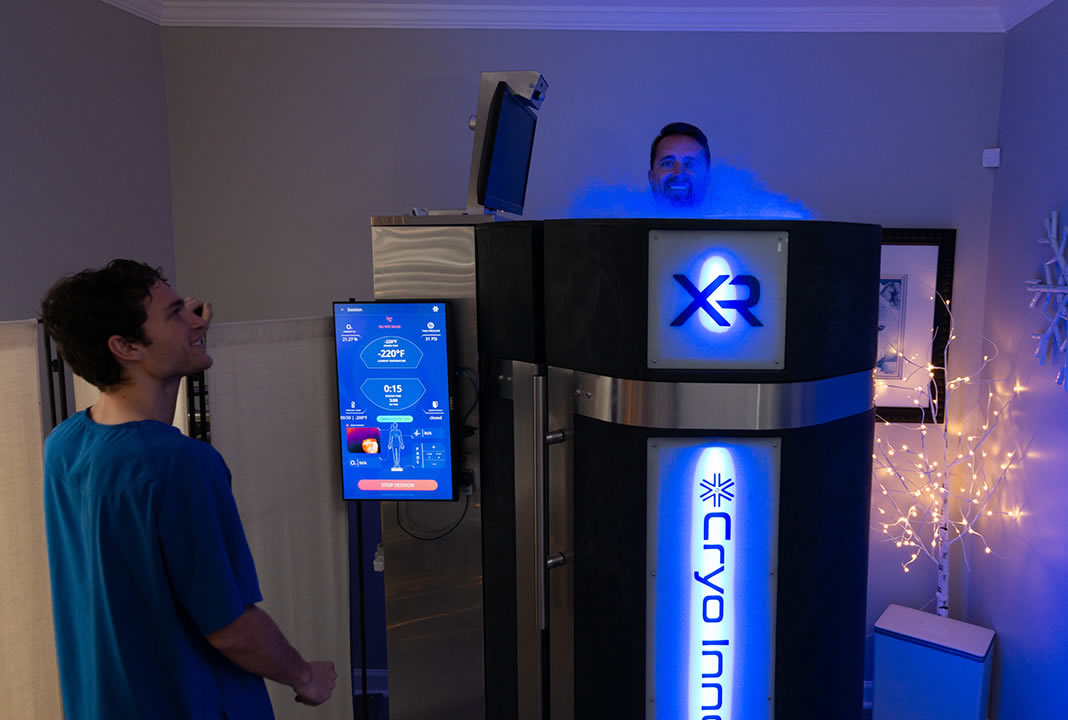
Combine cold exposure with compression for superior inflammation management and rapid recovery from intense training or competition.
Learn More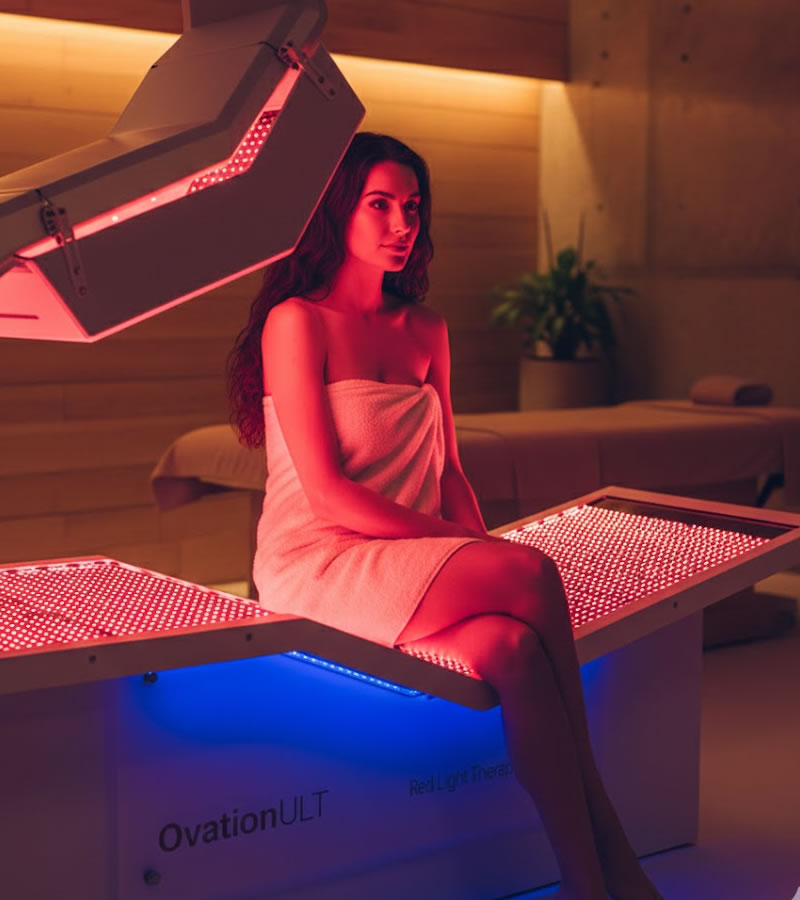
Boost cellular energy production with photobiomodulation while compression removes waste—synergistic recovery strategy.
Learn More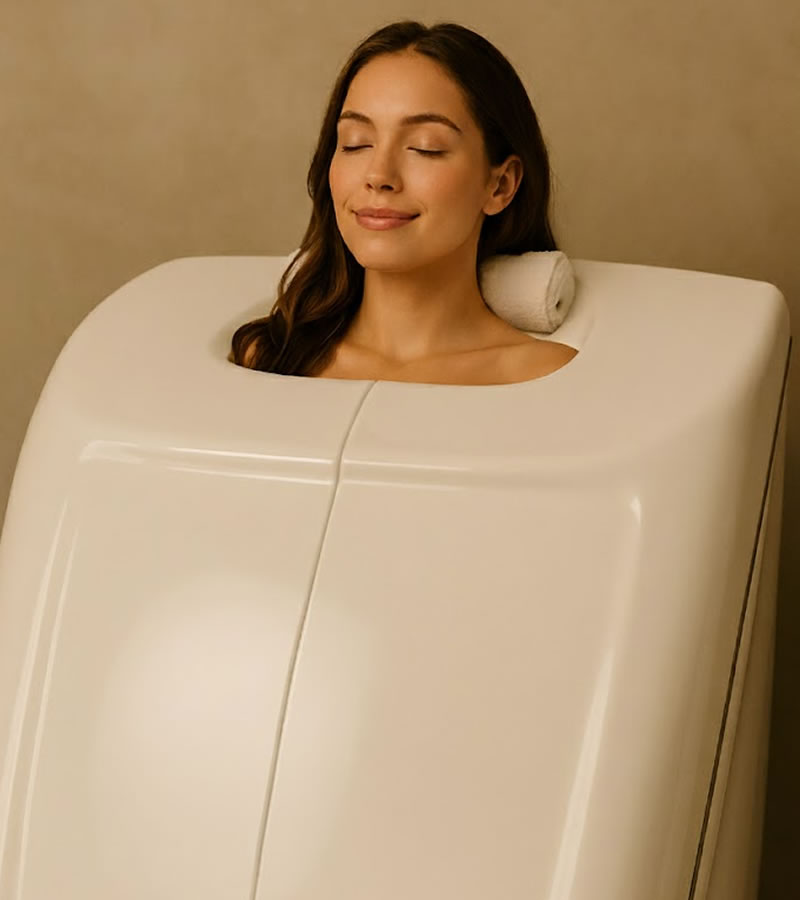
Combine compression modality with ozone sauna modality to enhance detoxification and optimize systemic circulation.
Learn MoreSchedule your compression modality session at THRIVE 4 Peak Performance. Our our team will evaluate your specific needs and customize pressure settings for optimal results.
Call (470) 359-6195THRIVE 4 Peak Performance | 3568 Old Milton Pkwy, Alpharetta, GA 30005
Serving Alpharetta, Milton, Roswell, Johns Creek, and Cumming